Best Word Compressor for PDF to Audio File Online
Finding the best word compressor for PDF to audio file online can make reading, studying, working, and accessing digital documents much easier. Whether you want to convert a lengthy PDF document into spoken audio, compress a Microsoft Word document before sharing it, or reduce the size of an audio file created from text, choosing the right online tools can save time and improve productivity.
Today, students, professionals, educators, content creators, researchers, and people who prefer listening to reading increasingly rely on online document and audio conversion tools. Instead of spending hours reading a lengthy report or textbook on a screen, users can convert supported documents into audio files and listen while commuting, exercising, working, or relaxing.
However, there is an important distinction between compressing a Word document, converting a PDF into audio, and compressing an audio file. These are three different processes, and not every online tool can perform all of them. Understanding how each process works will help you select the most suitable solution for your needs.
In this detailed guide, you will learn how to find the best word compressor for PDF to audio file online, how PDF-to-audio conversion works, which features matter most, how to reduce file sizes without sacrificing quality, and how to choose tools that protect your privacy.
You will also discover practical steps for converting PDF documents into speech, preparing Word files for conversion, selecting audio formats, troubleshooting common problems, and improving the listening experience.
Whether you are searching for a free PDF-to-audio converter, an online Word document compressor, or an efficient text-to-speech solution, this guide will help you make an informed decision.
What Is the Best Word Compressor for PDF to Audio File Online?
The best word compressor for PDF to audio file online is not necessarily a single tool. It is often a combination of document compression, PDF text extraction, text-to-speech conversion, and audio compression tools that work together to produce a smaller, accessible, and convenient audio file.
A word compressor generally refers to a tool that reduces the size of a Microsoft Word document or optimizes its contents. Depending on the service, this may involve compressing images, removing unnecessary document data, optimizing embedded objects, or converting the file into a more efficient format.
A PDF-to-audio converter, on the other hand, extracts readable text from a PDF document and uses text-to-speech technology to transform that text into spoken audio. Some services allow users to download the resulting audio file, while others provide listening directly within a browser or mobile application.
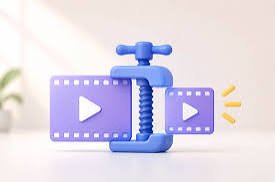
An audio compressor reduces the size of an existing audio file by changing its encoding settings, bitrate, sample rate, or audio format. This can make the file easier to upload, store, stream, or share.
Understanding the Three Main Processes
1. Word document compression
Word document compression is useful when a DOC or DOCX file contains large images, embedded media, or unnecessary formatting data. Reducing the document size can make it easier to upload to an online converter.
2. PDF-to-audio conversion
PDF-to-audio conversion transforms the text contained in a PDF into speech. The resulting audio may be saved as an MP3, WAV, or another supported format, depending on the conversion service.
3. Audio file compression
Audio compression reduces the storage space required by a generated audio file. For example, converting an uncompressed WAV file into a compressed MP3 file can substantially reduce its size.
For most users, the ideal workflow is straightforward: prepare the document, convert the PDF into audio, and compress the resulting audio file if necessary.
This approach is particularly useful when working with lengthy academic materials, business reports, digital books, training manuals, and other text-heavy documents.
Why Convert PDF Documents Into Audio Files?
PDF documents are widely used because they preserve formatting across devices and operating systems. However, reading long PDFs on a computer or smartphone can be tiring, particularly when the document contains hundreds of pages.
Converting PDF files into audio creates another way to consume the same information.
1. Improve Productivity
Listening to documents can help people make better use of their time. Instead of dedicating every minute to reading from a screen, users can listen to supported documents while performing suitable routine activities.
For example, a professional can listen to a report during a commute, while a student can review prepared study materials during a walk.
Audio conversion does not eliminate the need for focused reading when the material contains complex diagrams, formulas, tables, or visual instructions. Nevertheless, it provides a convenient alternative for text-based information.
2. Support Learning and Revision
Students often work with lecture notes, research papers, textbooks, revision guides, and study documents in PDF format.
Converting these materials into speech can provide another way to review important information. Some learners find that listening while following along with the written text helps them remain engaged.
Audio versions can also be replayed when revising definitions, reviewing summaries, or becoming familiar with unfamiliar terminology.
3. Improve Accessibility
Text-to-speech technology can make digital documents more accessible to people who experience reading difficulties, visual fatigue, or other barriers to consuming written content.
A well-designed PDF-to-audio workflow can help users access information through speech instead of relying exclusively on visual reading.
For accessibility purposes, users should consider tools that provide adjustable reading speeds, clear pronunciation, keyboard accessibility, and support for multiple languages.
4. Reduce Screen Time
Extended screen use can contribute to eye strain and discomfort. Listening to a document offers a way to access its text without continuously looking at a display.
Users can listen through headphones, a smartphone speaker, a computer, or a compatible audio player.
5. Make Long Documents Easier to Review
Some documents are more convenient to consume in short audio sessions than in a single reading session.
For example, a 100-page report can be divided into chapters or sections, allowing users to listen to relevant material at different times.
When the conversion service supports bookmarks, chapter navigation, or separate audio downloads, it becomes easier to return to specific sections.
6. Create Portable Study and Reference Materials
Once a document has been converted into a downloadable audio file, it may be possible to transfer it to a smartphone, tablet, laptop, or other compatible device.
The ability to listen offline depends on the service, the downloaded file format, and the device being used.
A portable audio version can be particularly helpful for travelers, students, and professionals who need access to reference materials away from their desks.
Best Features to Look for in an Online PDF-to-Audio Tool
Choosing the right tool requires more than searching for a free converter. The most useful solution should support your document type, produce understandable speech, and provide the file format and privacy protections you need.
The following features can help you compare available options.
1. PDF Upload and Text Extraction
The first requirement is the ability to read the PDF correctly.
Some PDF files contain selectable text, while others consist primarily of scanned images. A converter that works with text-based PDFs may not automatically recognize text inside scanned pages.
If your document is scanned, look for optical character recognition, commonly known as OCR. OCR identifies characters in page images and converts them into machine-readable text.
Before converting a long document, test a few pages to determine whether headings, paragraphs, punctuation, and page order are extracted correctly.
2. Text-to-Speech Quality
Speech quality is one of the most important factors when choosing a PDF-to-audio converter.
Look for natural-sounding voices, clear pronunciation, appropriate pauses, and the ability to select different voice options.
Modern neural text-to-speech systems can sound more natural than older synthetic voices. However, quality varies by language, provider, and subscription level.
For technical, academic, or professional content, test how the tool pronounces abbreviations, names, numerical expressions, and specialist terminology.
3. Downloadable Audio Files
Not every online reader allows users to export audio.
If you need an MP3 or WAV file, verify that the service explicitly supports audio downloads. Some services offer browser playback only, while others allow exports through paid plans or specific conversion features.
A downloadable file is especially useful when you want to listen offline, transfer audio between devices, or compress the output independently.
4. Multiple Language Options
For users working with documents in different languages, multilingual support is essential.
Check whether the tool can recognize the document’s language and generate speech in the appropriate voice. If the document includes several languages, test how the converter handles language changes within the text.
A tool that supports English may not provide equally natural speech in every other language.
5. Reading Speed Controls
Reading speed affects both listening time and comprehension.
A slower speed can help users understand complex academic material, while a faster speed may be convenient for reviewing familiar content.
Ideally, the tool should allow you to preview different speeds before generating the final audio.
6. File Size Limits
Online converters often impose upload limits, page limits, processing restrictions, or daily usage allowances.
If you work with large textbooks or lengthy reports, check the service’s maximum PDF size and page count before uploading your document.
A service that handles short files well may be unsuitable for a large research paper or an entire book.
7. Audio Format Options
MP3 is commonly used for portable listening because it offers relatively small files and broad compatibility.
WAV is useful when an uncompressed or less compressed audio format is required, although files can be considerably larger.
Other formats may be appropriate depending on the device and software you use.
Before converting a document, determine whether the tool supports the format you actually need.
8. Privacy and Security
Document conversion can involve uploading personal, academic, financial, business, or confidential information to an external server.
Before using an online tool, review its privacy policy, file-retention practices, security measures, and deletion options.
Avoid uploading sensitive documents to an unfamiliar service without understanding how the files are handled. For confidential materials, an offline application or an organization-approved solution may be more appropriate.
9. Ease of Use
A useful tool should make the conversion process straightforward.
Look for a clear upload interface, understandable settings, progress indicators, a preview option, and a simple way to save the finished audio.
A complicated interface can waste time, especially when you need to process multiple documents regularly.
10. Transparent Pricing
Free tools can be suitable for occasional conversions, but they may have restrictions on file size, processing time, voice selection, or audio downloads.
Paid tools may provide longer documents, higher-quality voices, batch processing, or additional export options.
Compare the actual features included in each plan instead of assuming that a free service or an expensive subscription will automatically deliver the best results.